USS Salmon and the Sinking of Oregon Maru, November 17, 1942
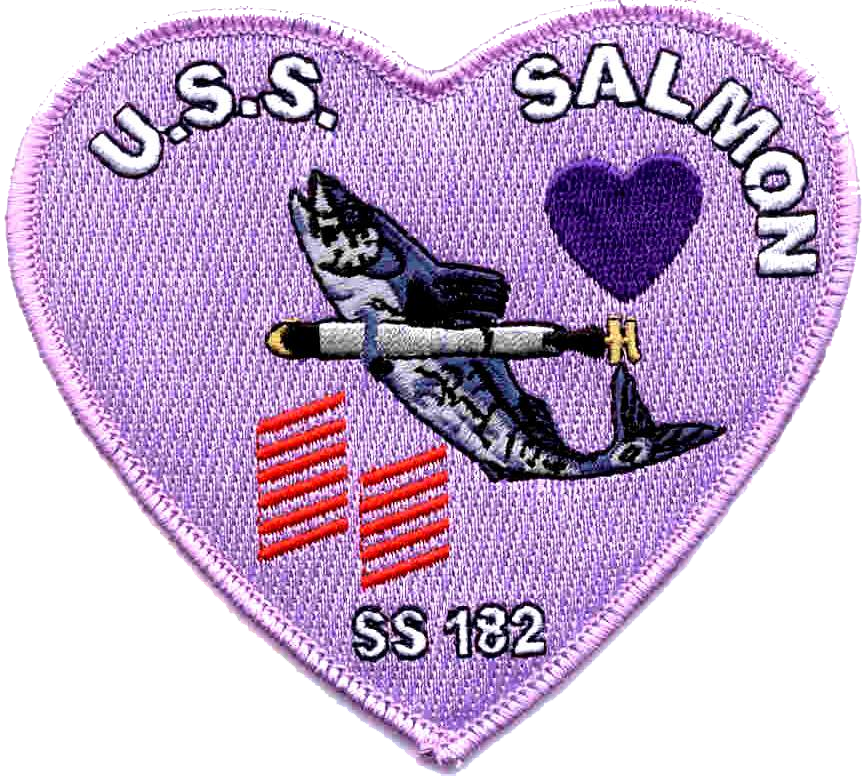
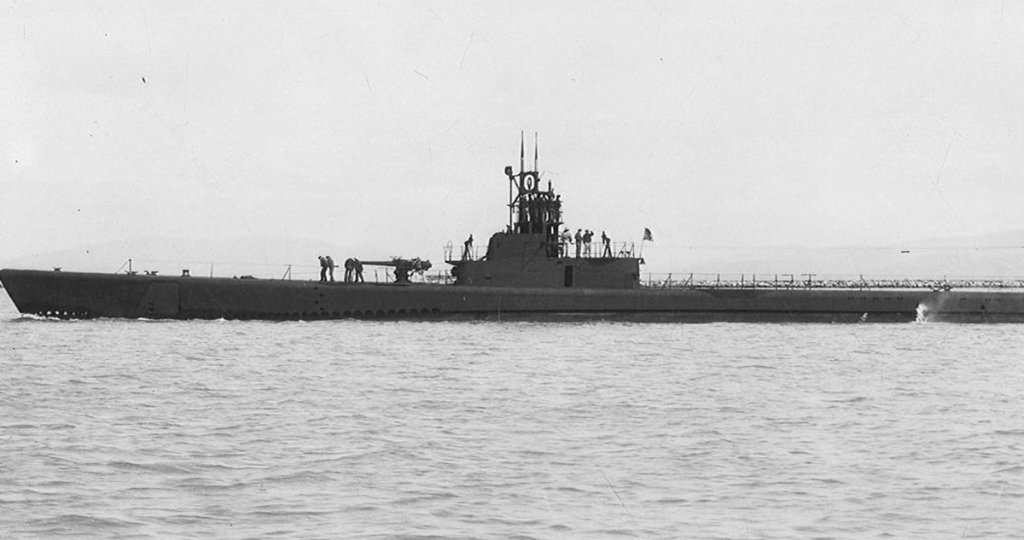
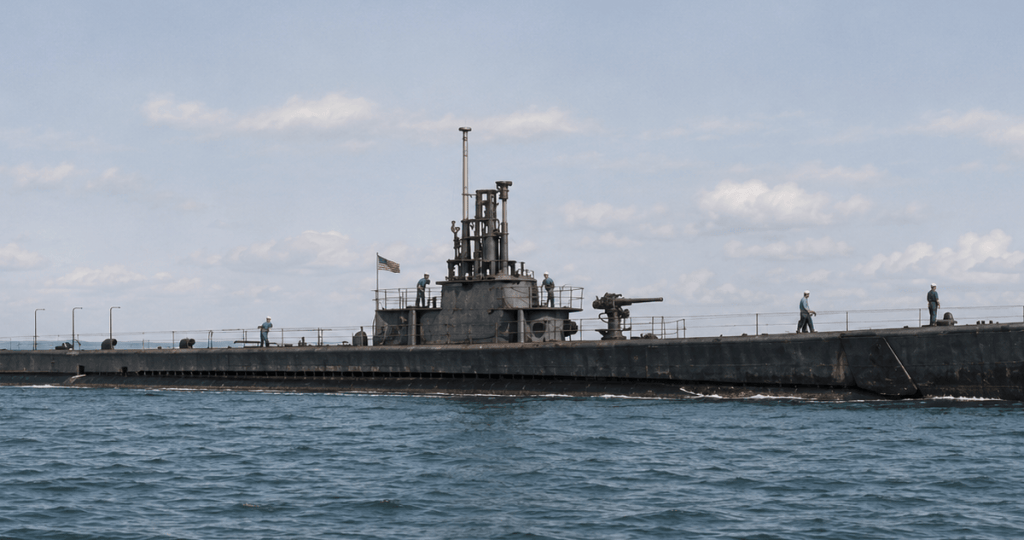
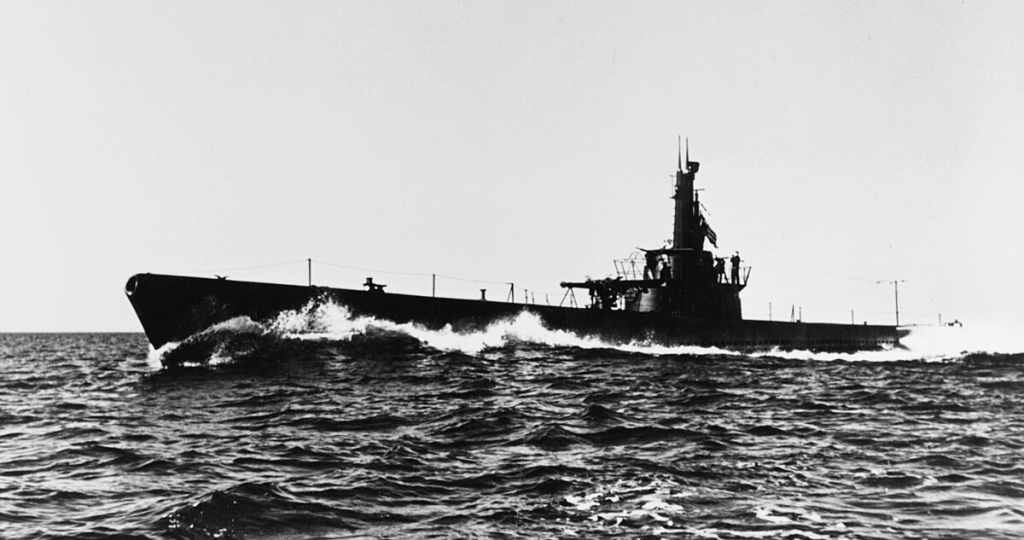
On the night of November 17, 1942, USS Salmon (SS-182) maneuvered beneath the surface off western Luzon as Lieutenant Commander E. B. McKinney prepared to attack Japanese shipping. Ahead were several merchant vessels protected by destroyers. Through the periscope, their identities remained uncertain. Their estimated size, movement, and arrangement supplied the information McKinney needed to develop his approach, but the escorts made every observation and adjustment a calculated risk.
During the encounter, Salmon fired six torpedoes against three targets. Explosions followed the attacks, and McKinney believed that at least two ships had gone down. The destroyers answered with depth charges, forcing the submarine to concentrate on evasion. One of the ships struck that night was Oregon Maru, a converted salvage vessel whose loss would eventually be credited to Salmon in the postwar assessment of Japanese shipping losses.
Salmon had departed Fremantle, Australia, on October 10 for her fifth war patrol. Her assigned hunting grounds lay around Corregidor, Subic Bay, and the approaches to Manila Bay. Along this coast, geography concentrated maritime traffic. Corregidor stood at the entrance to Manila Bay, guarding access to the harbor serving the Philippine capital. Farther north, Subic Bay offered another protected anchorage. Ships approaching or leaving these waters presented opportunities for a submarine able to find them and reach a favorable firing position.
By the autumn of 1942, the Philippines had been under Japanese occupation for months. The waters that American submarines had operated from at the beginning of the war had become enemy-controlled approaches. For Salmon, working off Luzon meant returning to the maritime routes of the occupied islands and seeking opportunities to strike the shipping using them.
The patrol had already produced a close encounter near Subic Bay. On November 10, Salmon challenged a large sampan that failed to stop. After warning shots and closer inspection, the submarine’s crew observed Japanese markings and men throwing objects overboard. Machine-gun fire brought the vessel to a halt. A boarding party recovered papers, radio equipment, and other articles before setting the sampan afire. As Salmon withdrew, it exploded and sank.
A week later, McKinney faced a substantially different problem. The November 17 encounter involved several sizeable ships and destroyer escorts. The merchant vessels appeared to include cargo ships and tankers of approximately 5,000 to 6,000 tons. Those descriptions represented the crew’s working estimates during the approach. From a submerged submarine at night, identifying a ship precisely was considerably more difficult than recognizing a target large enough to justify an attack.
A successful approach depended on establishing the relationship between Salmon and the moving ships. Periscope observations helped determine bearings and estimate range, course, and speed. Those estimates had to be translated into a firing solution while McKinney maneuvered his own boat into position. The presence of several targets increased the opportunities, but it also complicated the picture. Each ship’s movement mattered, and the destroyers imposed an additional constraint on where the submarine could safely go.
McKinney elected to attack three targets, committing six torpedoes during the engagement. Explosions were heard following the shots at all three. To the men aboard Salmon, those sounds supplied evidence that their attack had taken effect, although they could not provide a complete account of the damage above them.
The distinction mattered. An explosion heard inside a submerged submarine could support a judgment that a torpedo had struck, but determining whether a damaged vessel would sink required further evidence. Darkness restricted observation, and the escorts soon made remaining near the scene hazardous. McKinney’s belief that at least two ships had sunk reflected his assessment of the encounter under those conditions.
The destroyers’ depth-charge response shifted the immediate problem from attack to survival. Salmon had to evade the ships searching for her while preserving the boat and crew for the remainder of the patrol. She escaped without serious damage. The attack had yielded results, but the submarine could not remain indefinitely to establish the fate of every target.
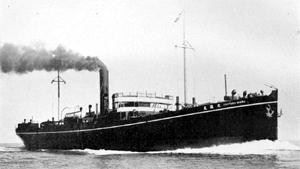
(combinedfleet.com)
The vessel subsequently identified as Oregon Maru had begun life as a merchant ship. Built at Kobe in 1920 by Kawasaki, she was a steel cargo steamer of approximately 5,873 gross register tons. By 1942 she had been converted for salvage or repair work, giving her a supporting role in Japan’s maritime operations.
Such employment placed a former cargo vessel within the machinery that sustained ships and ports. Salvage and repair capacity helped recover damaged vessels and return useful assets to service. The surviving account of Salmon’s attack does not establish what equipment, personnel, or assignment Oregon Maru carried that night, so the immediate consequences of her loss cannot be measured precisely. Her conversion nevertheless makes clear that she served a purpose beyond ordinary cargo carriage.
For Salmon’s crew, she had been one of the targets encountered off Luzon. The patrol account did not identify the ships by name. Oregon Maru’s identity emerged through the later reconciliation of submarine attacks with Japanese losses. The Joint Army-Navy Assessment Committee credited Salmon with sinking the 5,873-ton converted salvage vessel on November 17, 1942. The Navy’s published history also records damage to two other ships during the action.
That confirmed result gives the engagement its place in Salmon’s record without requiring certainty about every explosion heard that night. Six torpedoes had been fired against three targets under escort. At least one ship was lost, and Salmon survived the counterattack to continue her service.
The fifth patrol ended at Pearl Harbor on December 7, 1942. From there, Salmon proceeded to Mare Island Navy Yard for overhaul. The November encounter became part of the accumulated experience of a boat already well into its wartime career, an experience built through long passages, uncertain contacts, brief firing opportunities, and the work required to bring the submarine home.
The sinking of Oregon Maru was one action within a much larger campaign against Japan’s use of the sea. Its scale was limited, but its accomplishment was concrete. Off the occupied Philippines, McKinney and his crew found an escorted group of ships, developed an attack against multiple targets, and withdrew with their boat intact. A Japanese support vessel would never reach her destination.


Leave a Reply